 Cart is empty
Note: This article discusses maternal health complications and loss.
One of the most captivating and highly anticipated series recently released was Season 2 of Paradise, a dystopian drama on Hulu, starring Sterling K. Brown. The premise of the show centers on life inside a city-sized underground bunker in Colorado three years after a doomsday event. This season introduces Annie, a character brilliantly portrayed by Shailene Woodley. Annie is a medical school dropout, though she had advanced far enough in her training to participate in clinical rounds and make initial diagnoses. After dropping out, she works as a tour guide at the Graceland museum in TN. She is there when the apocalypse strikes, ultimately surviving alone for over two years.
When Brown arrives to Graceland from a struck-down plane coming from the bunker, we quickly see Annie’s medical instincts surface. She treats his stab wound, carefully cleaning and dressing it, and advises that it will take two weeks to heal. She warns that if the wound becomes infected, there is a risk of sepsis. She follows this with a simple statement: “around here, it’s the little things that will kill you.” This is neither exaggeration nor hyperbole. Even outside of dystopian fiction, sepsis remains a leading cause of deathin the United States, often resulting from untreated or poorly managed infections.
As the show goes on, we see Annie become pregnant – more than two years after the collapse of society. She decides to carry the pregnancy to term, despite the absence of anything resembling a hospital, clinic, or formal healthcare system. What follows is one of the most quietly powerful portrayals of complicated maternal health I’ve seen on screen. The show didn’t announce Annie’s condition – it showed it. We see her daily life; examining her swollen feet, checking her blood pressure, documenting her elevated BP readings – systolic values ranging from 136 to 156, diastolic values from 86 to 104.
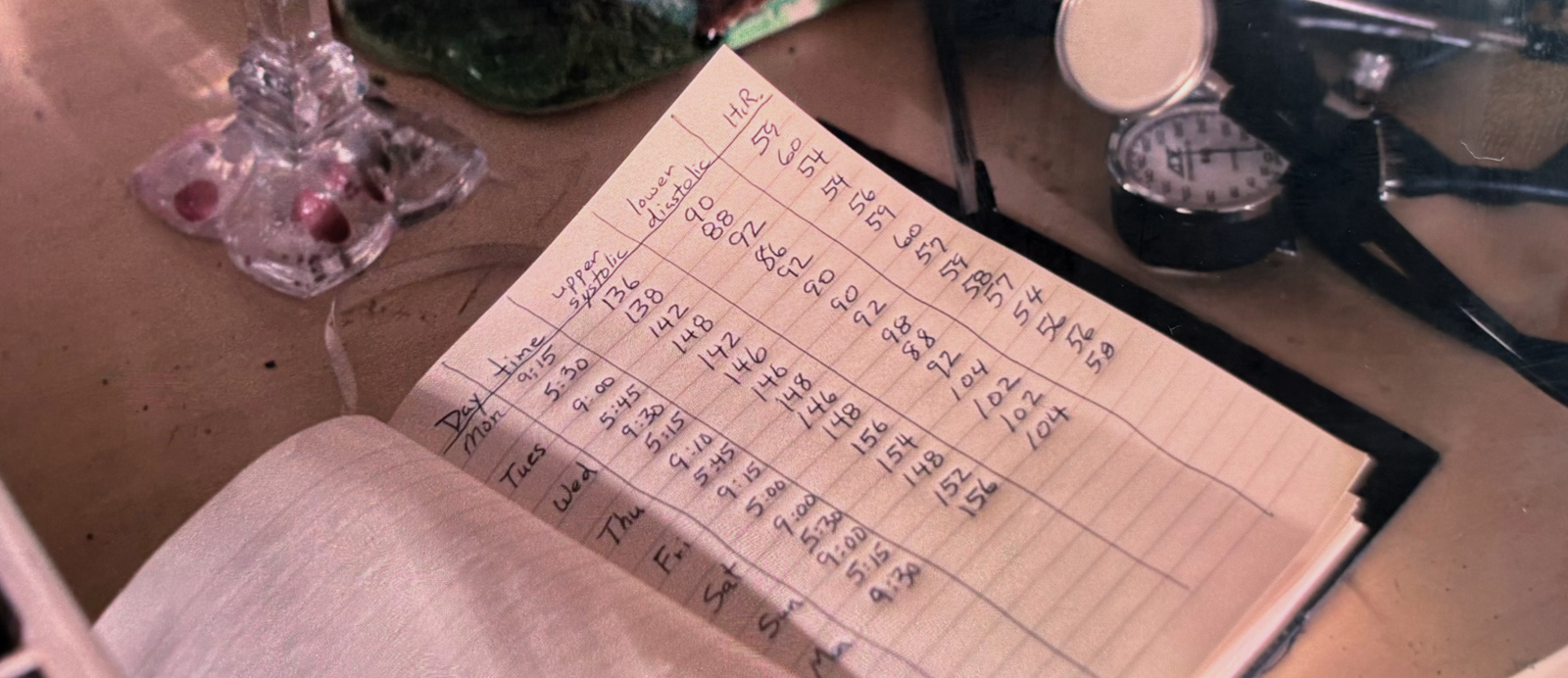
Annie’s self-measured blood pressure readings from S2 E4 of Hulu’s Paradise
Annie’s medical background explains her awareness that she ultimately had pre-eclampsia. She knew the warning signs and understood what those numbers meant. As she goes into labor, Annie explains it plainly: “My blood pressure’s too high. I have swollen ankles, blurred vision. I have pre-eclampsia. It’s life-threatening to me and the baby.” In a gut-wrenching scene, Annie delivers her baby. She dies shortly after, as the placenta fails to deliver and the bleeding does not stop. Though as a viewer, I longed for her to live, all the signs pointed to her unfortunate demise.
The Reality
What should strike viewers most is this: Annie’s situation happens in real life, it is not confined to a dystopian world. Memphis, TN, where Annie conceived, experiences some of the worst maternal and infant health outcomes in Tennessee. From 2017-2023, Shelby County recorded approximately 162 maternal deathsper 100,000 live births.
Pre-eclampsia is a serious, potentially life-threatening blood pressure disorder that can occur during pregnancy or shortly after childbirth. It is characterized by high blood pressure and signs of organ damage, often involving the kidneys (protein in the urine) or liver. In the U.S., it affects about 1 in every 25 pregnancies(4%).
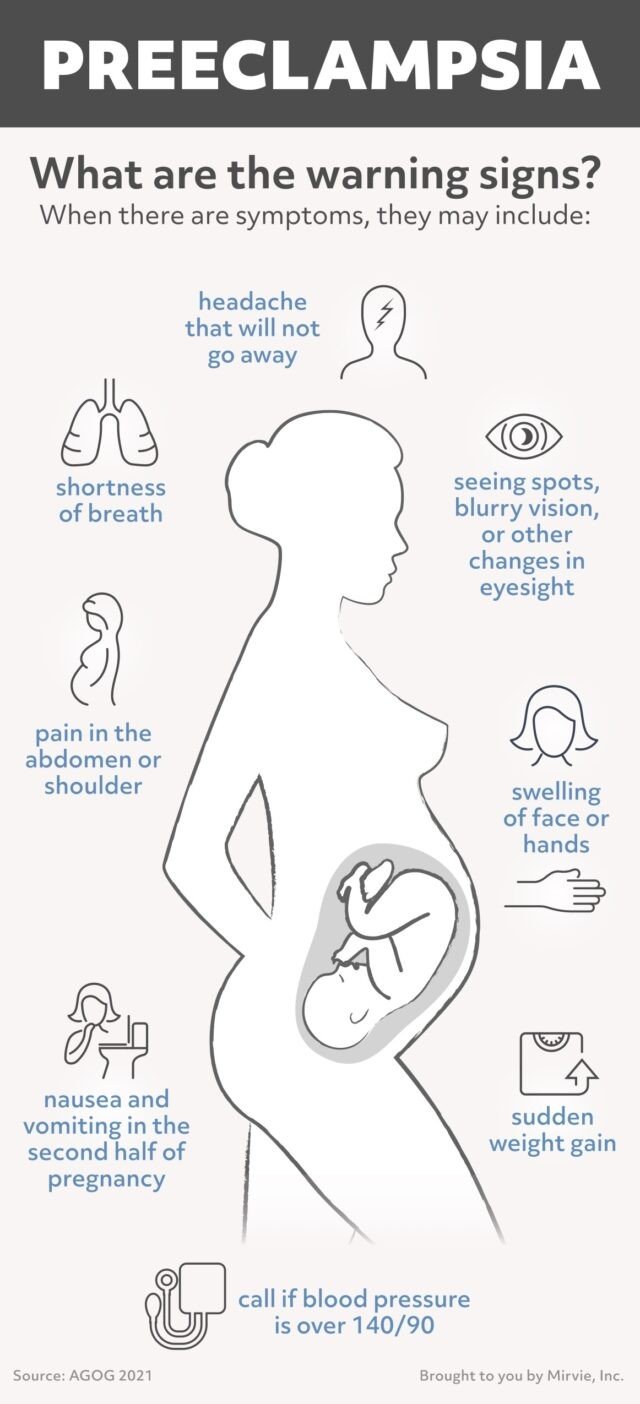
Pre-eclampsia Interventions
- Telehealth and Technology:Integrating telehealth for initiatives like self-measured blood pressure monitoring can bridge gaps in care and allow for remote monitoring.
- Educational Outreach: Using tools like educational magnets to teach patients about symptoms can improve early recognition and diagnosis.
- Improved Access to Care:Expanding Medicaid and strengthening health networks can provide better access to prenatal care and specialized services.
- Medication: Taking low dose aspirin daily is considered a safe, high-impact, over-the-counter intervention for women at high risk of pre-eclampsia to prevent or delay onset.
These harrowing statistics are not just numbers, but many women’s lived experiences. There is an onus on the medical community, and all of us – not just to know these terms and conditions, but to understand what they mean for our bodies and how to intervene in a timely manner. Annie’s story is a powerful display of the deficiencies that exist in present-day maternal health care and access. Though Annie did not have the resources (read: post-apocalyptic setting), she had the knowledge.
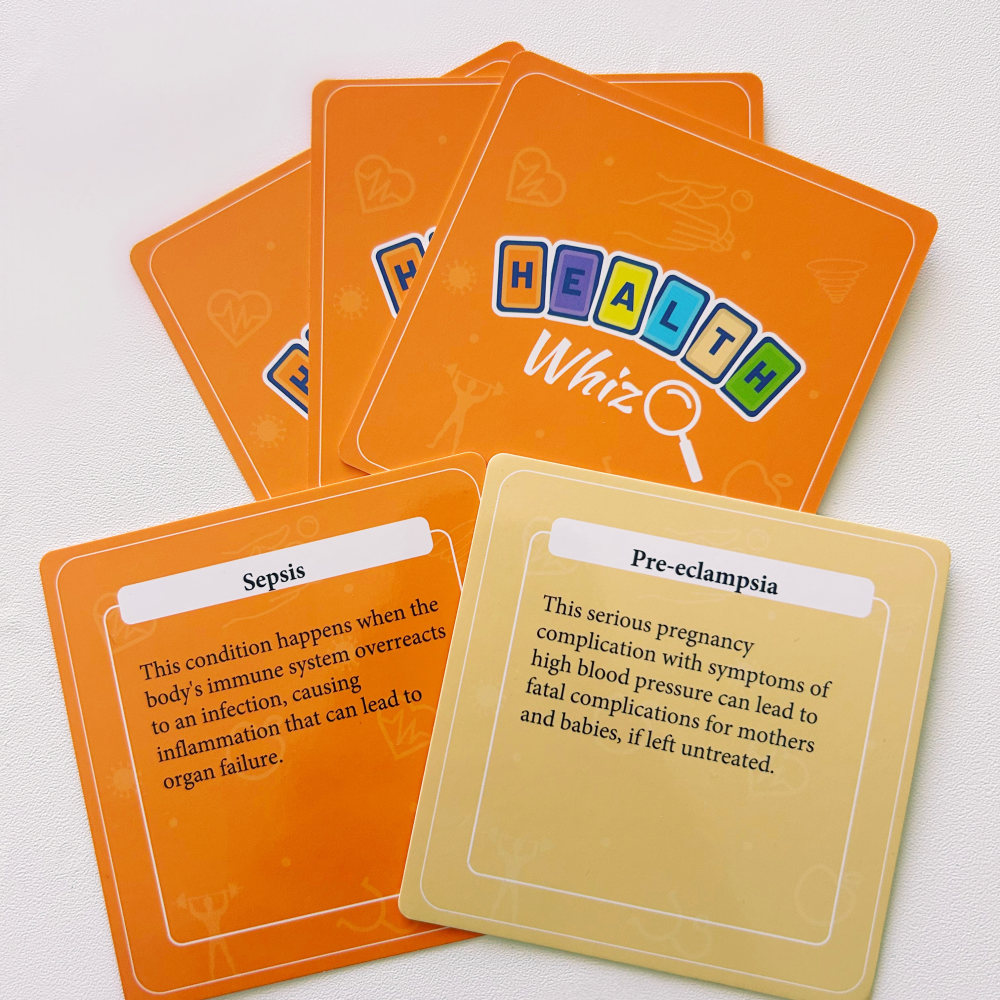
Health Whizwas created to help close the gap by connecting clinical language to real-life experiences. Whether someone says “high blood pressure during pregnancy” or pre-eclampsia, the reality is the same, and understanding that reality is what empowers people to recognize risks, ask questions, and advocate for their care.